Scarring
When the skin is damaged, the body naturally forms fibrous tissue to repair the area. Unlike undamaged skin, scar tissue is more sensitive to UV radiation from the sun and is generally less resilient. Many scars heal naturally into fine, smooth, pale scars. However, other scars may result in raised scars, discolouration, itching or a tight sensation. Scars from, for example, acne, surgical procedures, wounds, burns and caesarean sections can, however, improve in appearance with the right aftercare during the healing process. With Bonimedics’ products, you can care for your unwanted scars and support the skin’s natural repair process, resulting in smoother and less visible scars. If you are planning to undergo a procedure, it may be wise to look into treatment options in advance.
Silicone in scar treatment
Once a scar has formed, it is important to keep the area moisturised and protected from sun exposure to avoid the risk of the scar becoming discoloured. Medical-grade silicone has been in use since the 1980s and is backed by well-established research. The silicone is designed to maintain the skin’s moisture balance and help the skin regain its elasticity. The result is that the skin’s natural repair system is strengthened and the scar becomes softer, smoother and less visible. Medical-grade silicone can be used on all types of scars as soon as the wound has healed and active scar tissue has formed.
How does it work?
TWO TYPES OF SCARS

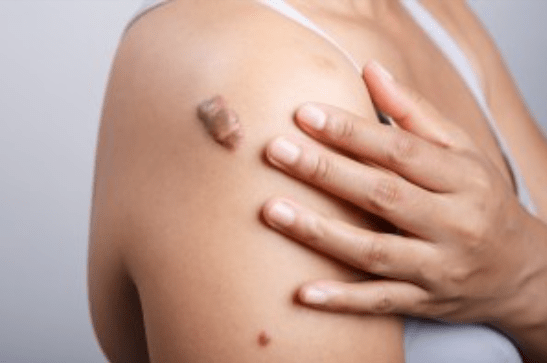
Hypertrophic scars
Hypertrophic scars can develop following, for example, surgery or burns, and result in an excess of scar tissue as the body produces too much of the fibrous protein collagen. Hypertrophic scars are raised, reddened and may cause itching. With the right treatment, these scars can be treated and smoothed out, whilst the skin takes on a more even appearance.